
Birding and Wildlife Ground Operations
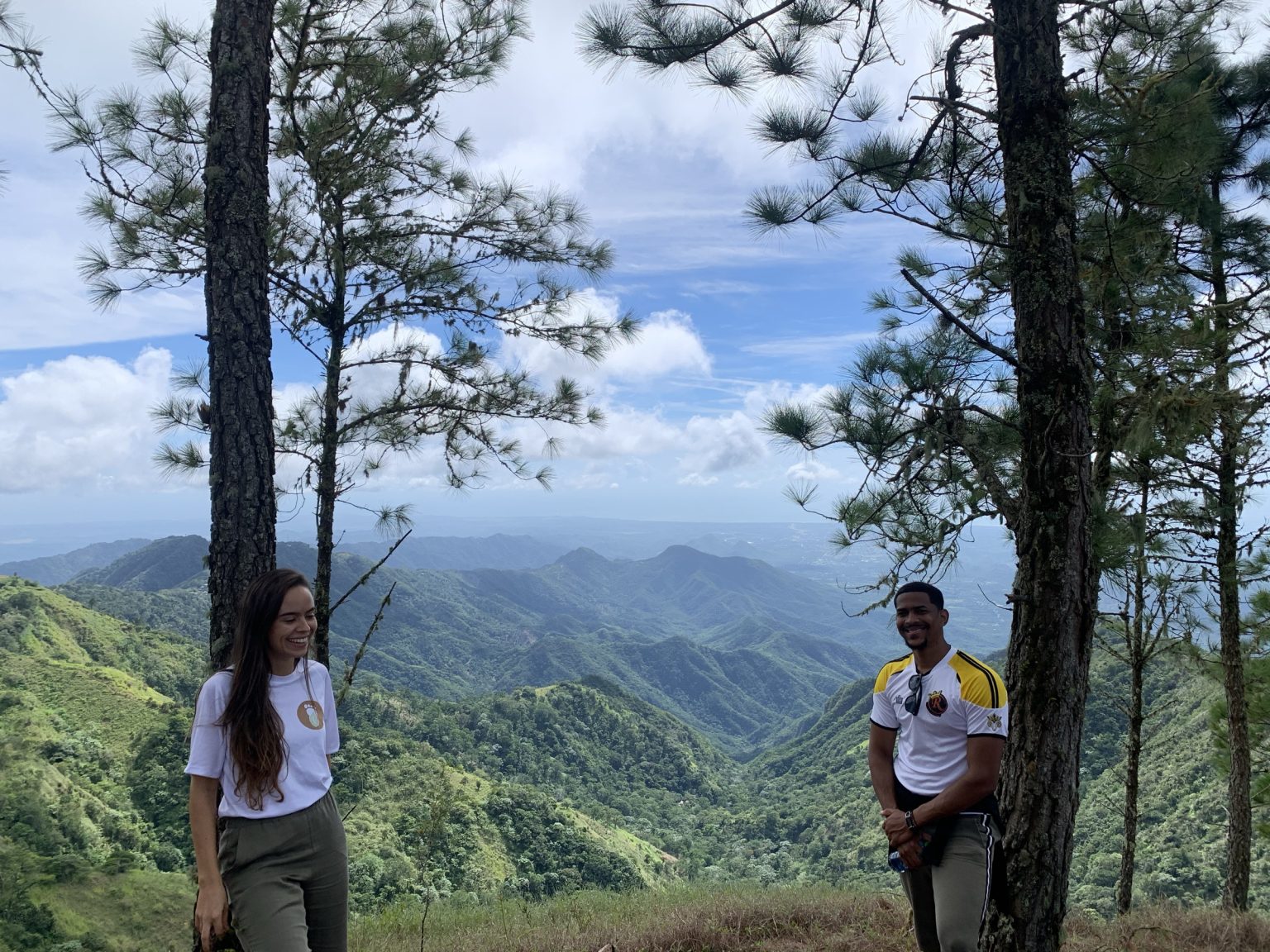
Birding and wildlife ground operations in the Dominican Republic
Ground handling for birding and natural history tour operators who travel with their own leader. Your leader runs the birding. Tourimpact runs the logistics: vehicles, accommodation, permits and the daily schedule.
How the model works
The tour leader is responsible for the birding programme and the group. Tourimpact is responsible for the operation around it: accommodation in Barahona and Duvergé that cannot be booked online, 4×4 transport and drivers for the Zapotén track at the times the leader sets, and national park permits for Sierra de Bahoruco, Jaragua and Los Haitises on the required dates.
We provide ground operations for tour operators in all six regions of the country, including whale watching in Samaná Bay and boat access to Los Haitises. Programmes can run under the operator’s own brand. More on how we work with the travel trade: Working with Tourimpact.
Key sites and their logistics
Sierra de Bahoruco
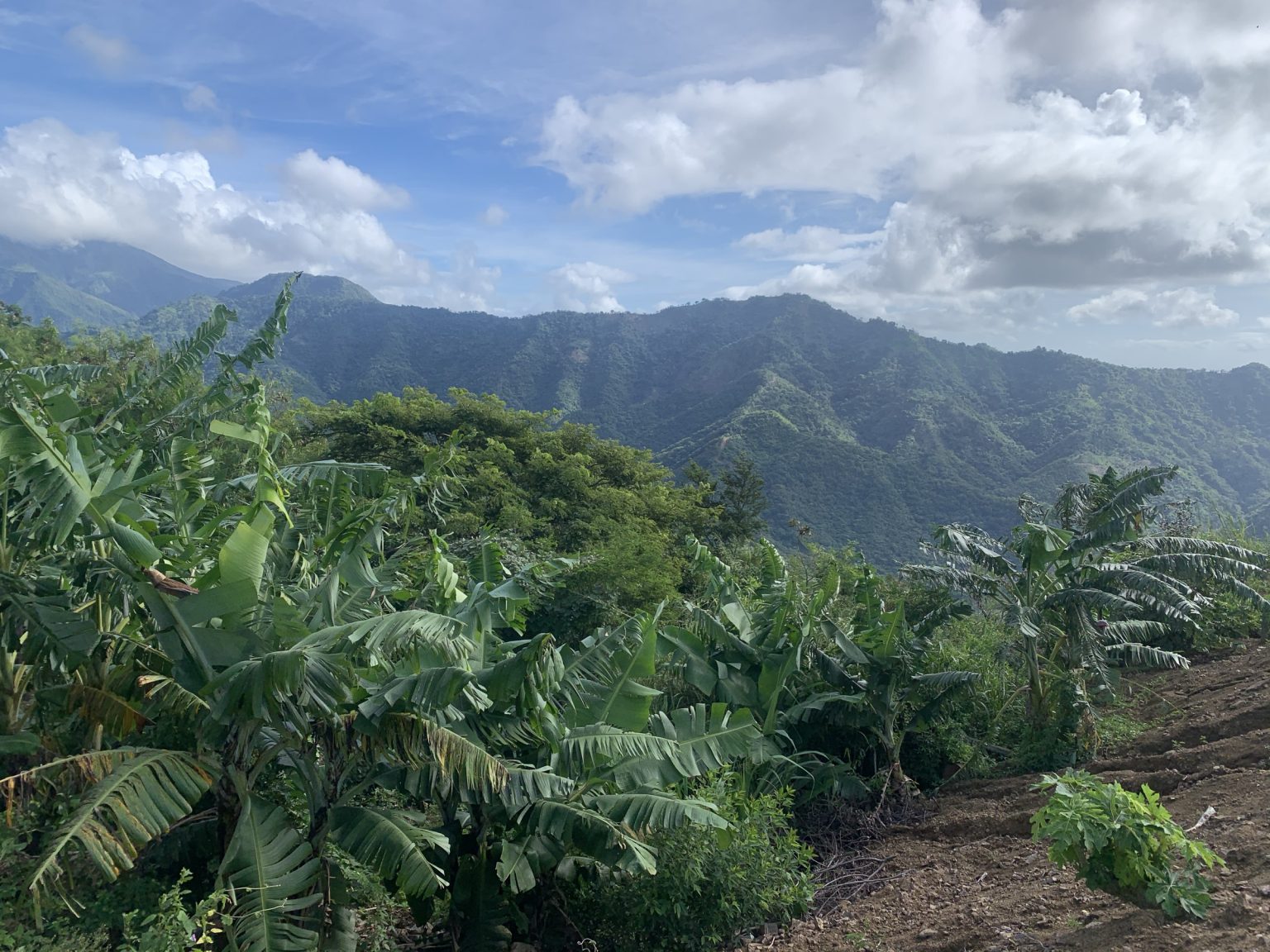
Most groups travel to the south-west for the island’s endemic species. The principal sites are Zapotén, Aceitillar, Rabo de Gato and Cachote. Zapotén requires a 4×4, accommodation near the sierra is limited, and most of it in Barahona and Duvergé is not listed on online booking platforms. Park permits are required. Regional overview: the deep South.
Valle Nuevo and Constanza
A second mountain area, in the Central Highlands, used by few international operators. Adding it extends the route through the centre of the country, so we plan it with the leader from the outset.
Los Haitises
Known to birders for Ridgway’s Hawk. Access is subject to national park regulations and permits, and is planned together with the Samaná section of the trip.
Samaná Bay
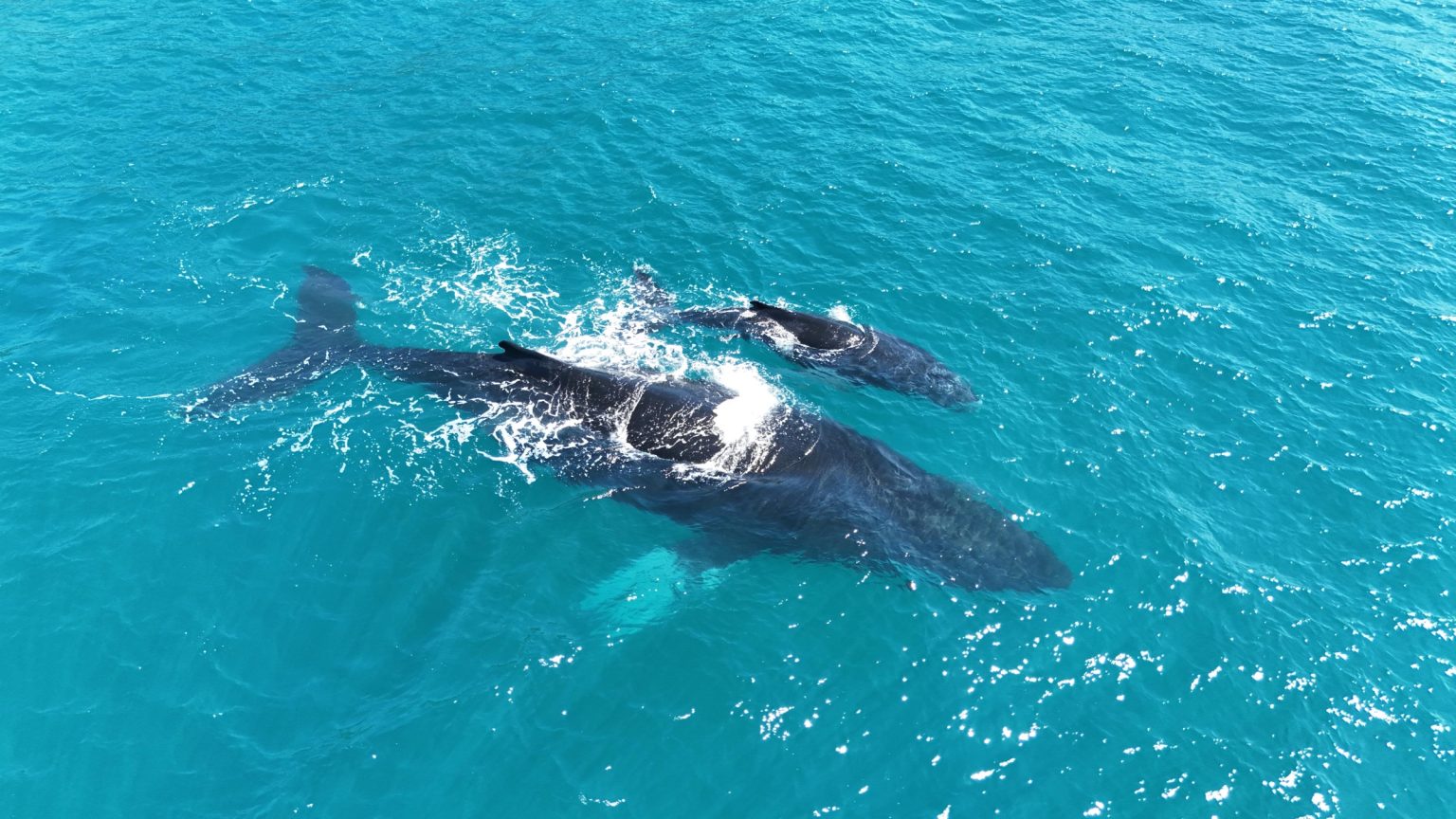
Humpback whales are present from mid-January to the end of March. Whale watching operates under a regulated, co-managed permit system, and all bookings are made within it.
Tourimpact does not publish species lists or guarantee sightings. The birding content of each trip is the responsibility of the operator and its leader.
Combining endemics and whales
The endemics season in the mountains and the whale season in Samaná Bay overlap from 15 January to the end of March. February and March offer the best combination of both.
The south-west and Samaná Bay are at opposite ends of the country, so a combined itinerary needs its transfer days planned in advance. Our guide to combining the regions shows how we structure routes across the island.
What the ground service includes
Transport
4×4 vehicles where the terrain requires them and vans for transfers between regions, with drivers scheduled around the leader’s start times.
Accommodation
Properties close to the sites, including those that cannot be booked online, such as Villa Barrancolí, Casa Bonita and Paraíso Caño Hondo.
Permits
National park permits for Sierra de Bahoruco, Jaragua and Los Haitises, and whale watching booked through the Samaná Bay permit system.
Specialist birding guides
On request, we add a specialist Dominican birding guide to support your leader in the field.
Coordination
A single point of contact from first enquiry to final transfer. All services are reconfirmed before arrival, and the operator receives a programme confirmation, service vouchers and in-country emergency contacts.
Who we work with
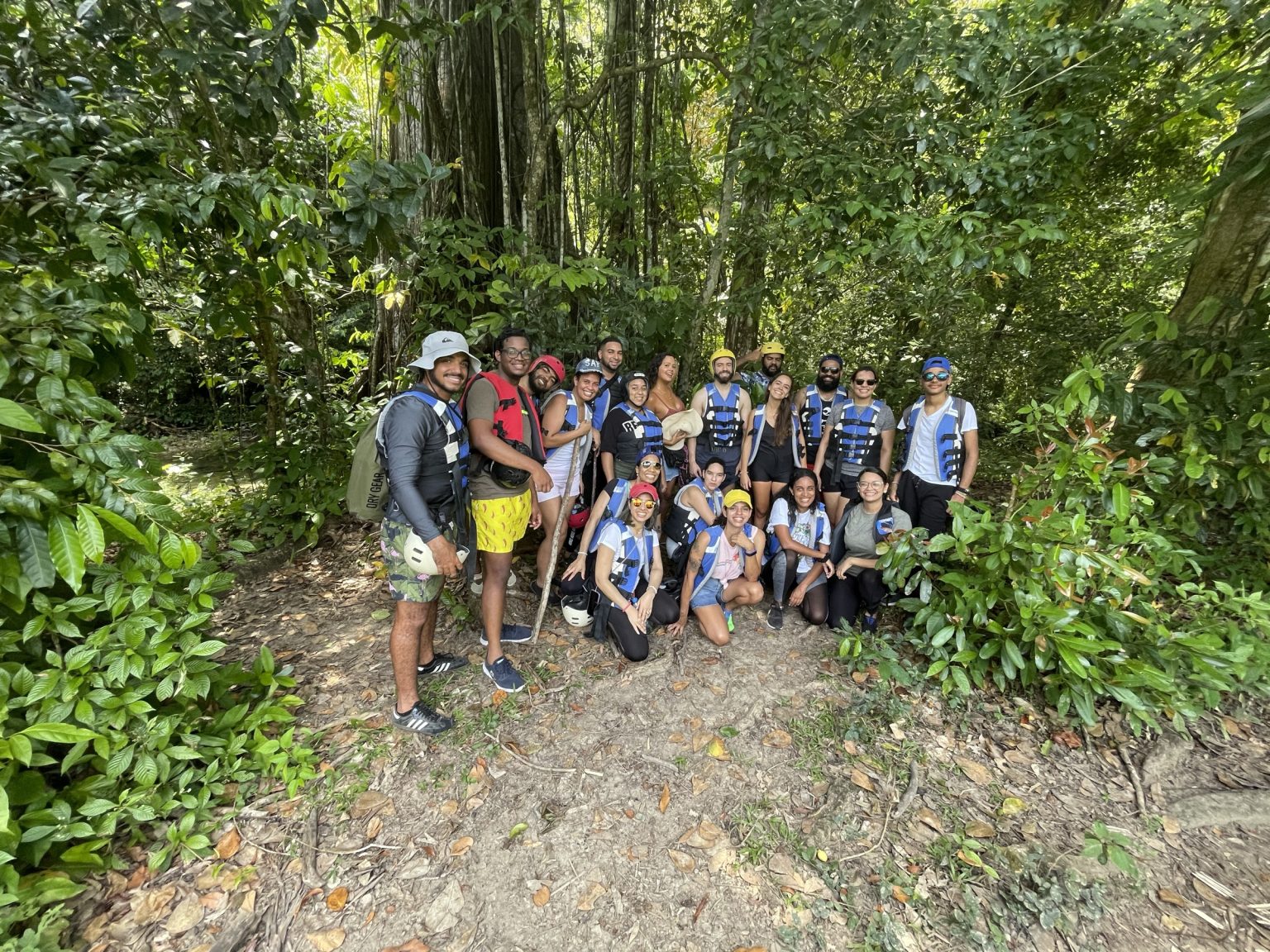
- Birding and natural history tour operators
- Museum groups and Audubon societies
- Alumni travel programmes
- Nature photography groups
Request a ground proposal
Send us the dates, the group size and the route your leader has planned, and we will prepare a ground proposal.